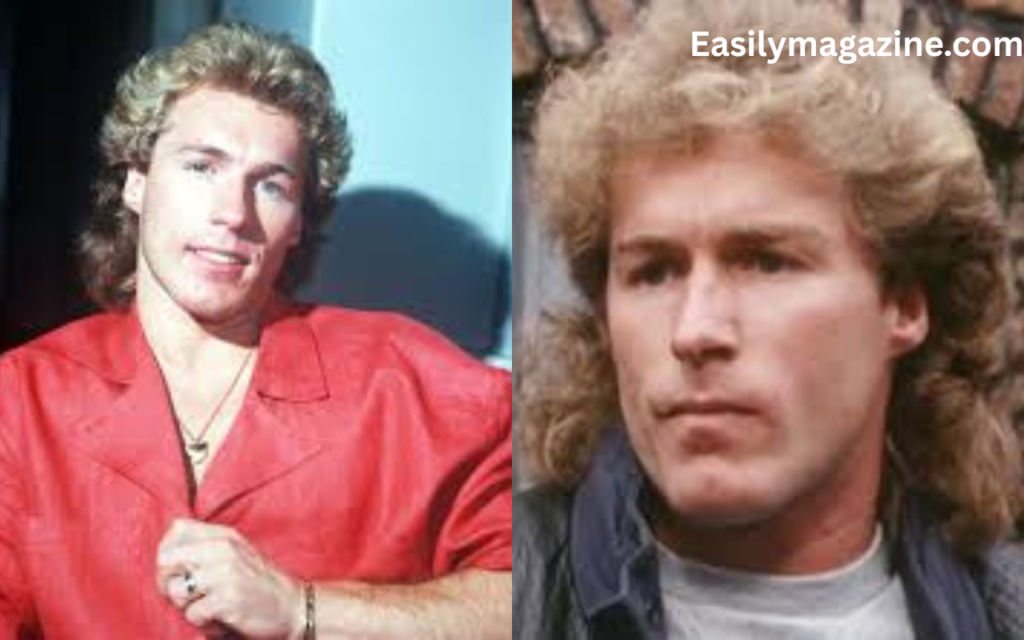

For millions of television viewers across Britain, Brian Tilsley was far more than just another soap opera character. He represented the struggles, emotions, dreams, and heartbreaks of ordinary working-class families trying to survive life’s challenges. Introduced during one of the most beloved eras of Coronation Street, Brian quickly became a central figure whose dramatic relationships, personal conflicts, and tragic ending left a permanent mark on British television history. Even decades after his final appearance, fans still remember him as one of the show’s most realistic and emotionally powerful characters.
Table of Contents
ToggleBrian Tilsley’s journey on Coronation Street captured everything audiences love about classic soap operas. His life was filled with romance, betrayal, ambition, family tension, and painful sacrifices. Viewers watched him grow from a young mechanic into a husband, father, and businessman struggling to keep his personal life together while facing emotional pressure from every direction. His complicated marriage to Gail Tilsley became one of the defining relationships of 1980s British television drama and helped establish Coronation Street as one of the most influential soap operas in entertainment history.
What made Brian so memorable was not perfection, but vulnerability. He was flawed, emotional, jealous, loving, ambitious, and deeply human. Fans saw themselves in his struggles and frustrations. His story reflected real-life issues faced by countless families, which is why audiences formed such a strong emotional connection with him. Even today, Brian Tilsley remains one of the most discussed classic characters in Coronation Street history.
Brian Tilsley Quick Facts
| Full Name | Brian John Tilsley |
|---|---|
| Famous As | Coronation Street Character |
| Portrayed By | Christopher Quinten |
| First Appearance | December 27, 1978 |
| Last Appearance | February 15, 1989 |
| Profession | Mechanic and Garage Owner |
| Parents | Bert and Ivy Tilsley |
| Spouse | Gail Tilsley |
| Children | Nick Tilsley and Sarah-Louise Tilsley |
| Nationality | British |
| Television Network | ITV |
| Best Known Storyline | Marriage drama and tragic death |
| Episodes Appeared | 524 Episodes |
| Creator | Coronation Street Production Team |
| Social Media | No official accounts (fictional character) |
The Origins of Brian Tilsley
Brian Tilsley entered Coronation Street during a period when the show was becoming deeply connected to working-class British audiences. Introduced as the son of Bert and Ivy Tilsley, Brian was designed to represent the everyday young man trying to build a future despite financial struggles and emotional pressure. Unlike glamorous television heroes, Brian’s life felt grounded in realism. He worked hard, worried about money, argued with family members, and struggled with relationships in ways that audiences instantly recognized.
From the beginning, Brian’s personality stood out because he balanced confidence with insecurity. He wanted independence and success, yet he was strongly influenced by his mother Ivy, whose controlling nature created ongoing tension in his life. This family dynamic added emotional depth to the character and made many storylines feel painfully authentic. Viewers often sympathized with Brian because he seemed caught between loyalty to his parents and commitment to his marriage.
The writers of Coronation Street understood that audiences connect more deeply with characters who feel real rather than perfect. Brian’s flaws made him relatable. He could be stubborn and jealous, but he was also caring and hardworking. Over time, these emotional layers helped transform him into one of the most important male characters of the 1980s era of the soap opera.
Early Life and Family Environment
Within the fictional world of Weatherfield, Brian grew up in a traditional working-class household led by his parents Bert and Ivy Tilsley. His upbringing played a major role in shaping his emotional personality and worldview. Ivy especially had a powerful influence over him. She loved her son deeply but frequently interfered in his relationships and personal decisions, creating tension that followed Brian throughout much of his adult life.
Brian’s family environment reflected many real British households during the late 1970s and 1980s. Money concerns, emotional loyalty, and family expectations shaped daily life. The Tilsley family was not wealthy, but they valued hard work, resilience, and responsibility. Brian inherited those values, which later influenced the way he approached work, marriage, and fatherhood.
Despite occasional disagreements, Brian maintained a strong emotional connection with his parents. His relationship with Ivy became one of the most important emotional storylines in the series because it revealed his vulnerability and dependence. Viewers saw a young man trying to become independent while still seeking approval from his family, a struggle that many people could understand from their own experiences.
Brian Tilsley and Gail Potter’s Love Story
One of the biggest reasons Brian Tilsley became such an iconic soap opera character was his unforgettable relationship with Gail Potter, later known as Gail Tilsley. Their romance quickly became central to Coronation Street and attracted enormous attention from viewers across Britain. They represented a young couple trying to build a future together despite endless challenges and emotional complications.
Brian and Gail’s marriage was never simple. Financial stress, family interference, emotional misunderstandings, and trust issues constantly threatened their relationship. Yet audiences remained invested because the love between them felt genuine. Their arguments and reconciliations reflected real-life relationships rather than unrealistic television romance. This authenticity became one of the strongest features of the storyline.
The relationship reached one of its most dramatic moments when Gail had an affair with Brian’s cousin Ian Latimer. The affair caused emotional devastation within the family and created uncertainty over the paternity of Sarah-Louise Tilsley. Eventually, tests confirmed Brian was the father, but the betrayal left lasting emotional scars. The storyline became one of the most talked-about plots in British soap opera history and demonstrated how Coronation Street blended family drama with emotional realism.
His Career as a Mechanic and Businessman
Brian Tilsley was not portrayed as a wealthy or glamorous character. Instead, he represented the hardworking British tradesman trying to create financial security for his family. As a mechanic, Brian spent years working long hours while dealing with pressure from bills, responsibilities, and relationship problems. His working-class identity made him especially relatable to audiences.
Over time, Brian’s professional life improved. He eventually became involved in running a garage business, showing ambition and determination to improve his circumstances. Owning a garage gave him greater independence and confidence, but it also increased the stress in his life. Balancing work responsibilities with family struggles became increasingly difficult, creating emotional tension that shaped many storylines.
The garage environment also allowed Brian to become more connected with other major Coronation Street characters. Through work-related scenes, viewers saw his loyalty, frustration, pride, and competitive nature. These interactions helped establish him as one of Weatherfield’s most important residents and strengthened his reputation as a realistic, hardworking character.
Brian’s Role as a Father
Fatherhood added another emotional dimension to Brian Tilsley’s character. He genuinely loved his children, Nick and Sarah-Louise, and wanted to provide them with a stable and secure life despite ongoing problems in his marriage. His scenes with his children often revealed a softer and more vulnerable side of his personality.
Brian sometimes struggled with balancing work and family responsibilities, but viewers could see that his intentions were sincere. He wanted to protect his children from conflict and emotional pain, especially during the breakdown of his marriage with Gail. These storylines made him appear more human because audiences understood the pressure he faced as a father trying to hold his family together.
His relationship with Nick Tilsley became especially important because Nick later grew into one of Coronation Street’s long-running characters. Even years after Brian’s death, his influence continued through his children and the emotional legacy he left behind. This long-term impact proved how significant Brian’s character was to the overall history of the series.
The Emotional Complexity of Brian Tilsley
One reason Brian Tilsley remains memorable today is because he was emotionally complex. He was not written as a simple hero or villain. Instead, he was a realistic person with strengths, weaknesses, fears, and emotional insecurities. At times he was loving and supportive, while at other moments he could be jealous, impulsive, or stubborn. This balance made him feel authentic.
Many soap opera characters during that era followed predictable stereotypes, but Brian’s personality constantly evolved. His emotional reactions often felt unpredictable because they reflected genuine human behavior. When he felt betrayed by Gail, viewers saw both his anger and heartbreak. When he interacted with his children, audiences saw tenderness and vulnerability. These emotional layers helped make his storylines powerful.
Fans also appreciated the way Brian represented ordinary masculinity during the 1980s. He struggled to express emotions openly, often carrying stress internally until it exploded into arguments or emotional decisions. This realistic portrayal connected strongly with viewers who recognized similar patterns in their own lives and relationships.
Christopher Quinten’s Performance
Much of Brian Tilsley’s success came from the performance of actor Christopher Quinten. His portrayal brought warmth, emotional realism, and intensity to the role, helping audiences feel deeply connected to Brian’s struggles and experiences. Quinten became one of the most recognizable faces on British television during his years on Coronation Street.
Before joining the soap opera, Christopher Quinten worked as a dancer and performer in stage productions. His entertainment background gave him strong screen presence and confidence in emotional scenes. Once cast as Brian Tilsley, he quickly became a fan favorite because of his natural acting style and believable chemistry with Helen Worth, who played Gail.
Quinten remained with Coronation Street for more than a decade, appearing in over 500 episodes. His long commitment to the role allowed audiences to watch Brian mature and evolve over time. Even after leaving the show, Christopher Quinten continued to be closely associated with the character because of the emotional impact Brian had on viewers.
The Shocking Death of Brian Tilsley
Brian Tilsley’s death is still considered one of the most heartbreaking moments in Coronation Street history. In 1989, the character was stabbed outside a nightclub while attempting to defend a young woman from a violent gang. The storyline shocked viewers because Brian died during an act of courage and selflessness.
The emotional aftermath of his death affected nearly every major character connected to him. Gail struggled with grief and emotional trauma, while Ivy became obsessed with preserving Brian’s memory. Fans were devastated because Brian had been part of the show for over a decade and felt like a real member of the Coronation Street community.
His death also marked an important turning point in the evolution of British soap operas. The storyline demonstrated that Coronation Street could combine emotional realism with shocking dramatic events. Even decades later, television fans continue discussing the episode and its lasting emotional impact on the series.
Brian Tilsley’s Legacy in British Television
Even though Brian Tilsley left Coronation Street in 1989, his legacy continued through future storylines involving Gail, Nick, Sarah-Louise, and the wider Platt family. The emotional consequences of his life and death remained part of the show for many years, proving how important the character had become to the series.
Brian also represented a golden era of British soap opera storytelling. During the 1980s, Coronation Street focused heavily on realistic family struggles and emotional relationships. Brian’s character perfectly reflected that style of storytelling, helping the show connect deeply with ordinary audiences across the United Kingdom.
Today, classic Coronation Street fans continue revisiting Brian’s story through reruns, online clips, fan forums, and television retrospectives. Younger viewers who discover old episodes often become emotionally invested in his story despite the character belonging to an earlier television generation. That enduring popularity highlights the timeless quality of the writing and performances.
Personal Values and Character Traits
Brian Tilsley’s personality was shaped by loyalty, pride, emotional sensitivity, and determination. Although he often struggled with anger and insecurity, he genuinely cared about his family and wanted to create a better life for them. His actions were frequently motivated by love and responsibility, even when he made mistakes.
Another important trait was resilience. Brian faced financial problems, emotional betrayal, family conflict, and professional stress throughout his life, yet he continued trying to move forward. His determination to protect his family and improve his circumstances made him inspirational in many ways.
Viewers also admired Brian because he felt authentic rather than glamorous. He represented ordinary people facing everyday struggles, which is why audiences connected with him emotionally. His story reminded viewers that life is complicated and that even flawed individuals can still show courage, loyalty, and compassion.
Influence on Soap Opera Storytelling
Brian Tilsley helped shape the emotional storytelling style that later became common in British soap operas. His storylines combined romance, family conflict, betrayal, parenthood, and tragedy in ways that felt realistic and emotionally powerful. Many television critics consider his era one of the strongest periods in Coronation Street history.
The success of Brian and Gail’s relationship storyline also influenced future soap opera couples. Writers realized audiences became more emotionally invested when characters were imperfect and relatable rather than idealized. Brian’s emotional vulnerability made him one of the earliest examples of a deeply layered male soap opera character.
Modern television dramas continue using many of the same storytelling techniques that made Brian’s story successful, including long-term character development, emotional realism, and family-centered conflict. His influence can still be seen in contemporary British drama series today.
Conclusion
Brian Tilsley remains one of the most unforgettable characters ever created in British soap opera history. His journey through love, heartbreak, ambition, betrayal, fatherhood, and tragedy captured the emotional realities of ordinary life in a way that deeply connected with audiences. He was not perfect, but that imperfection made him real, relatable, and timeless.
Through his relationships, struggles, and sacrifices, Brian became more than just a television character. He became a symbol of resilience, emotional vulnerability, and working-class determination. His influence continues through the legacy of the Tilsley and Platt families, as well as through fans who still remember his story decades later.
As Brian Tilsley’s legacy continues inspiring generations of television viewers, his story stands as a reminder that meaningful storytelling comes from honesty, humanity, and emotional truth. His journey proves that even ordinary people can leave an extraordinary impact through love, perseverance, and the courage to keep moving forward despite life’s challenges.