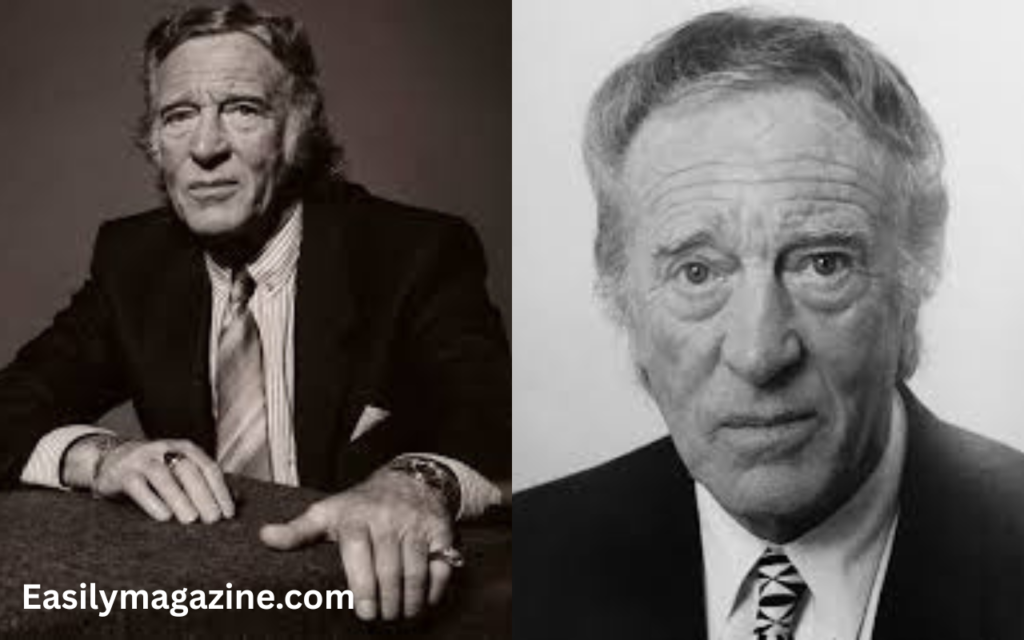

The name Kray instantly brings to mind the dark and dangerous world of London’s East End during the 1950s and 1960s. Ronnie and Reggie Kray became legendary figures in British crime history, feared for their violence and admired by some for their celebrity lifestyle. Yet standing quietly beside them throughout much of their rise was their older brother, Charlie Kray — a man whose life was equally fascinating, complicated, and tragic.
Table of Contents
ToggleUnlike the infamous twins, Charlie Kray rarely became the public face of gangland terror. Instead, he often appeared as the calmer and more grounded member of the family. But behind that image was a man deeply connected to the criminal empire that changed London’s underworld forever. Charlie lived through poverty, war, boxing fame, prison sentences, family heartbreak, and the endless shadow cast by the Kray surname. His journey reveals not just the rise of organized crime in Britain, but also the emotional cost of loyalty and family ties.
Even decades after his death, Charlie Kray remains one of the most discussed figures in true crime history. Writers, filmmakers, journalists, and historians continue exploring his role within the Kray empire because he represented something different from Ronnie and Reggie. He was not simply a gangster. He was also a boxer, author, businessman, father, husband, and storyteller who spent much of his life trying to explain — and sometimes defend — the complicated legacy of his family.
Charlie Kray Quick Facts Table
| Fact | Details |
|---|---|
| Full Name | Charles James Kray |
| Famous Name | Charlie Kray |
| Date of Birth | July 9, 1927 |
| Birthplace | Hoxton, East London, England |
| Nationality | British |
| Profession | Boxer, Author, Businessman, Criminal Associate |
| Parents | Charles David Kray and Violet Annie Lee |
| Siblings | Ronnie Kray, Reggie Kray, Violet Kray |
| Marital Status | Married |
| Wife | Doris “Dolly” Moore |
| Children | Gary Kray and Nancy Kray |
| Known For | Elder brother of the Kray twins |
| Criminal Convictions | Accessory to murder, drug trafficking |
| Net Worth | Estimated $1–3 million before death |
| Death Date | April 4, 2000 |
| Age at Death | 72 years |
| Burial Place | Chingford Mount Cemetery, London |
| Social Media | None (before social media era) |
Early Life and Childhood in East London
Charlie Kray was born in Hoxton, East London, during a period when working-class families struggled to survive financially. The East End during the 1920s and 1930s was filled with overcrowded housing, unemployment, violence, and poverty. These harsh surroundings shaped Charlie’s worldview from an early age and later influenced the personalities of his younger brothers Ronnie and Reggie.
His father, Charles David Kray, worked as a wardrobe dealer and spent long periods away from home. Meanwhile, Charlie’s mother, Violet Annie Lee, became the emotional center of the family. She was fiercely protective of her children and believed strongly in family loyalty. Many historians believe Violet’s influence played a huge role in creating the close — and sometimes dangerous — bond shared by the Kray brothers. Charlie grew up watching his mother hold the family together during difficult times, especially throughout World War II.
As the eldest sibling, Charlie naturally became a protective figure. When twins Ronnie and Reggie were born in 1933, Charlie was already old enough to help care for them. The brothers shared cramped living spaces in Bethnal Green and Hackney, areas that later became famous because of the Krays’ criminal empire. During wartime evacuations and bombings, Charlie often acted almost like a guardian to the younger twins, strengthening the bond that would define much of his life.
Education and Early Influences
Charlie Kray attended Laburnum Street School in Haggerston, where he reportedly performed well in sports, especially football. Like many boys from East London’s working-class neighborhoods, education was not seen as the main path toward success. Instead, survival, discipline, and earning money mattered far more than academic achievement.
After leaving school, Charlie worked several ordinary jobs to support himself and his family. One of his earliest known jobs was working as a messenger boy for Lloyd’s of London. The position exposed him to a very different side of British society — one filled with businessmen, money, and opportunity. However, Charlie remained strongly connected to the rough East End culture where toughness and reputation carried enormous value.
The greatest influence on Charlie’s early life was boxing. In East London, boxing was more than a sport. It was considered a way to gain respect and escape poverty. Charlie became obsessed with fighting and dreamed of winning the famous Lonsdale Belt someday. His passion for boxing later inspired Ronnie and Reggie to enter the sport as well, laying the foundation for the confidence and aggression that later helped build their criminal reputation.
Charlie Kray’s Boxing Career and Athletic Dreams
Before becoming associated with organized crime, Charlie Kray genuinely wanted to succeed as a professional boxer. He trained intensely in local East End gyms and developed a reputation as a disciplined fighter with determination and toughness. During the 1940s, he represented the Royal Navy as a welterweight boxer in competitions against the Army and Air Force.
Charlie’s boxing career reflected his desire for legitimacy and respect. Unlike criminal activities, boxing offered a structured environment where talent and hard work could lead to success. His grandfather even installed a punching bag at the family home so Charlie could train regularly. Friends and family members believed he had real potential to achieve something meaningful in the sport.
Unfortunately, serious health issues interrupted his dreams. Charlie began suffering from chronic migraines and health complications that eventually forced him to leave the Navy on medical grounds. Although he later boxed professionally and won several fights, his health prevented him from reaching elite levels. Still, boxing remained central to his identity and opened doors into the nightclub and entertainment world that later became deeply connected to the Kray empire.
The Rise of the Kray Family Empire
During the late 1950s and early 1960s, Ronnie and Reggie Kray transformed from local East End toughs into some of Britain’s most feared gangsters. Their criminal organization, known as “The Firm,” became involved in protection rackets, armed robberies, gambling, nightclub ownership, and violent assaults across London. Charlie Kray was never as violent as the twins, but he remained closely connected to their operations and often acted as a trusted adviser.
Unlike Ronnie’s unpredictability or Reggie’s cold ruthlessness, Charlie appeared more socially polished. He mixed comfortably with entertainers, businessmen, and celebrities during London’s “Swinging Sixties” era. The Krays successfully built an image as glamorous nightclub owners while secretly running criminal enterprises behind the scenes. Charlie helped strengthen those social connections and became part of the public image surrounding the family.
The family’s fame grew rapidly because they blurred the line between celebrity culture and organized crime. They owned clubs, attended high-profile events, and associated with famous figures from film, politics, and sports. Charlie often played the role of mediator and businessman within the family structure. Many people who met him described him as calmer and more approachable than Ronnie and Reggie, though he remained fiercely loyal to his brothers regardless of the consequences.
Criminal Activities and Prison Sentences
Although Charlie Kray was not known for direct violence like his brothers, he eventually became deeply involved in criminal investigations connected to the Kray empire. When police intensified their efforts against organized crime in the late 1960s, the entire family faced enormous pressure from law enforcement.
In 1969, Ronnie and Reggie Kray received life sentences for murder, and Charlie was also convicted for his involvement in gangland crimes. He received a ten-year prison sentence for being an accessory to the murder of George Cornell, one of the Krays’ rivals. The conviction marked a dramatic fall from the glamorous lifestyle the family once enjoyed.
After his release in 1975, Charlie tried rebuilding his life, but the Kray name made normal opportunities difficult. He later admitted that he felt “unemployable” because people immediately associated him with gangland violence. Unfortunately, legal troubles returned in 1997 when Charlie was convicted in a massive cocaine smuggling conspiracy involving drugs valued at around £39 million. He received a twelve-year sentence, and his health rapidly declined during imprisonment.
Personal Life, Marriage, and Family Relationships
Behind the headlines and criminal reputation, Charlie Kray also experienced a deeply emotional personal life. He married Doris “Dolly” Moore on Christmas Day in 1948, and together they had two children, Gary and Nancy. Friends often described Charlie as extremely devoted to his family despite the dangerous world surrounding him.
Charlie reportedly stayed with his wife for many years even after discovering she had been involved in an affair. According to accounts from people close to the family, Charlie prioritized maintaining stability for his children over ending the marriage immediately. Eventually, however, the relationship broke down, and the couple separated during the 1970s.
One of the most surprising stories from Charlie’s personal life involved actress Barbara Windsor. During the 1950s, Charlie had a brief romantic relationship with the future Carry On and EastEnders star. His friendships also included famous figures such as Jackie Collins, Judy Garland, Sonny Liston, and Christine Keeler. These relationships showed how closely the Krays became connected to celebrity culture during their peak years.
Charlie Kray as an Author and Storyteller
Following his release from prison, Charlie Kray became one of the main voices preserving and explaining the Kray family story. He recognized that public fascination with the twins would never disappear, and he used books, interviews, documentaries, and films to share his perspective on the family legacy.
His autobiographical books, including Me and My Brothers and Doing the Business, offered readers insider accounts of East End gangland culture and the rise of the Kray empire. These works became highly popular among true crime readers because they mixed family memories with stories about organized crime, prison life, loyalty, and betrayal.
Charlie also worked as a consultant for the 1990 film The Krays, which starred Martin and Gary Kemp as Ronnie and Reggie. His involvement helped filmmakers portray parts of the family story with greater authenticity. While critics debated how truthful Charlie’s stories were, his interviews often revealed genuine emotional conflict about his brothers, their crimes, and the destruction caused by gangland life.
Net Worth and Financial Life
Estimating Charlie Kray’s exact wealth is difficult because much of his income came from unofficial businesses, nightclub ventures, book deals, and criminal associations. Nevertheless, during certain periods of his life, Charlie lived comfortably and enjoyed financial success connected to the Kray name.
His income came from multiple sources over the years:
- Boxing appearances and promotions
- Nightclub and entertainment ventures
- Book royalties and interviews
- Film consulting work
- Security and protection businesses
Charlie also reportedly participated in Krayleigh Enterprises, a controversial security and protection company linked to Ronnie and Reggie during the 1980s. Some reports even claimed the business provided bodyguards for celebrities visiting Britain, including Frank Sinatra during Wimbledon.
Despite periods of financial success, prison sentences and legal battles heavily damaged Charlie’s finances later in life. Most estimates suggest his net worth before death ranged between $1 million and $3 million, though exact numbers remain impossible to confirm.
Final Years and Declining Health
Charlie Kray’s later years were marked by serious health struggles and emotional exhaustion. While serving his prison sentence for drug trafficking, he suffered worsening heart problems and declining physical strength. Friends and family members reportedly became increasingly worried about his condition during the late 1990s.
On April 4, 2000, Charlie Kray died at St Mary’s Hospital near Parkhurst Prison on the Isle of Wight. He was 72 years old. Reports stated that he died surrounded by his girlfriend Diane Buffini and close companions. His death came only a few years after the death of Ronnie Kray and just months before Reggie Kray also passed away.
Charlie’s funeral took place at St Matthew’s Church in Bethnal Green, an area deeply connected to the family’s history. In an emotional moment, Reggie Kray was temporarily released from prison to attend the funeral of his older brother. Charlie was buried at Chingford Mount Cemetery, where the Kray family graves continue attracting visitors fascinated by Britain’s gangster history.
Charlie Kray’s Legacy and Lasting Influence
Charlie Kray remains one of the most complex figures connected to British organized crime. Unlike Ronnie and Reggie, he was neither fully feared nor fully celebrated. Instead, he occupied a strange middle ground — a loyal older brother who became trapped between family devotion and criminal consequences.
What makes Charlie’s story so compelling is the humanity behind the gangster image. He experienced ambition, love, disappointment, fame, prison, and regret. He wanted success through boxing and business, yet his life was constantly pulled back into the dangerous orbit of the Kray empire. Even when trying to live differently, the family name followed him everywhere.
Today, books, films, documentaries, podcasts, and museum exhibits continue exploring the Kray family legacy because it represents more than just crime. It reflects the realities of poverty, survival, loyalty, and power in post-war Britain. Charlie Kray’s life serves as a reminder that family bonds can both protect and destroy, depending on the choices people make. As future generations continue examining Britain’s most infamous gangster dynasty, Charlie Kray’s story stands as a powerful reflection on resilience, loyalty, ambition, and the lasting consequences of a life lived in the shadows of crime.