
Introduction
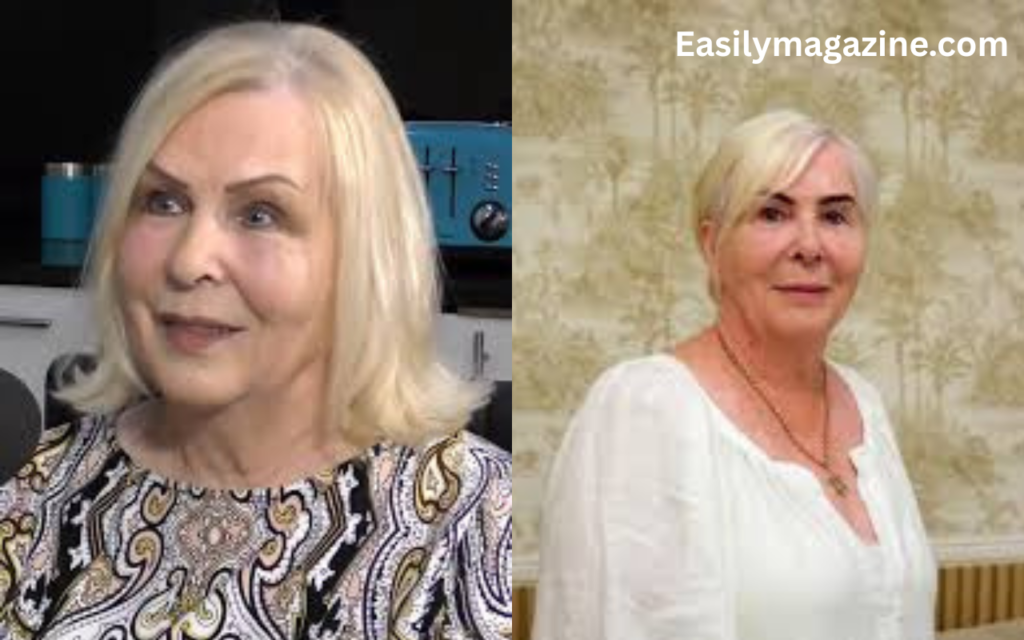
Some people become famous through talent, some through leadership, and others through lives so extraordinary that the public never stops talking about them. Linda Calvey belongs to the last category. Known across Britain as “The Black Widow,” she is one of the most controversial women in British criminal history. Her name has been linked with gangland crime, armed robberies, prison life, and one of the most talked-about murder cases in the UK.
Table of Contents
ToggleBorn in post-war Essex, Linda’s life took a path far from ordinary. She moved from a working-class background into the dangerous world of London gangsters, becoming much more than just the partner of criminals. She became a major figure in her own right—someone feared, respected, and remembered. Her story includes love, betrayal, survival, and years spent behind prison walls.
Today, Linda Calvey is also known as an author who has shared her own side of the story through books like The Black Widow. Her journey remains a powerful example of how choices can shape a life forever. Whether viewed as a criminal, survivor, or complicated public figure, Linda Calvey continues to fascinate true crime readers across generations.
Linda Calvey Quick Facts
| Field | Details |
|---|---|
| Full Name | Linda E. P. Welford |
| Popular Name | Linda Calvey |
| Nickname | The Black Widow |
| Date of Birth | 8 April 1948 |
| Age | 78 years old (as of 2026) |
| Birthplace | Ilford, Essex, United Kingdom |
| Nationality | British |
| Profession | Author, Former Armed Robber |
| Famous For | Criminal history, murder conviction, autobiography |
| Father | Not publicly known |
| Mother | Not publicly known |
| Siblings | Brother: Anthony Welford |
| Marital Status | Married three times |
| First Husband | Mickey Calvey |
| Children | 2 (Neil and Melanie) |
| Net Worth | Estimated £500,000–£1 million (approx., unofficial) |
| Residence | Essex, England |
| No verified official account | |
| Twitter/X | No confirmed official account |
| Not publicly available |
Early Life and Childhood
Linda Calvey was born as Linda E. P. Welford on 8 April 1948 in Ilford, Essex, a place shaped by post-war rebuilding and working-class values. Life during that period was simple but tough. Families focused on stability, and many young women were expected to follow traditional paths such as office work, marriage, and family life.
As a teenager, Linda worked as a receptionist in a paint factory. On the surface, her life looked ordinary, but she wanted something bigger. She later spoke about being drawn to excitement, money, and a lifestyle that felt far more glamorous than everyday routine. That hunger for more would later become one of the strongest forces behind her life decisions.
Growing up around East London also meant being close to a world where gangland figures were not distant legends—they were real people in nearby streets and social circles. Crime, power, and reputation were often connected, and Linda became fascinated by that environment. What began as curiosity would soon become full involvement.
Family Background and Personal Influences
Linda came from a working-class British family, though she has kept many details about her parents private. Her upbringing was not one of wealth or privilege, and like many women of her generation, she learned early about survival, resilience, and independence. These qualities would later define how she handled both crime and prison life.
One important family connection was her brother, Anthony Welford, who later became part of her criminal story. He was jailed after allowing his home to be used as a base for robbery operations connected to Linda’s gang. This showed how deeply criminal life had entered not just her personal choices, but also the wider family circle.
But perhaps the greatest influence came not from blood relatives, but from the men she loved. Her relationships shaped much of her public story—especially her marriage to Mickey Calvey, the armed robber who introduced her fully into Britain’s criminal underworld.
Marriage to Mickey Calvey and Entry into Crime
Linda’s life changed dramatically when she met Mickey Calvey, a well-known armed robber. Their meeting happened through criminal circles, and she quickly fell in love. Mickey was charismatic, dangerous, and deeply connected to the gangland world that already fascinated her. Their relationship was intense from the beginning.
She married Mickey at just 22 years old, and the wedding itself reflected the life they were entering—he had to be brought from prison under armed guard to attend. That moment became symbolic of their marriage: love tied directly to crime, loyalty mixed with danger, and excitement always standing beside risk.
At first, Linda acted as a lookout during robberies. Then she became a getaway driver, and eventually she carried weapons herself. She later admitted she enjoyed the thrill and the power. This was not simply a woman standing beside a gangster—Linda was becoming a gangster in her own right.
Criminal Career and Armed Robberies
Linda Calvey became heavily involved in organized armed robberies during the 1970s and 1980s. She and her gang were connected to several major post office raids, where dangerous ammonia was used against staff and customers. These were not small crimes—they were violent, carefully planned operations that carried serious consequences.
She later claimed she made around £1 million through robberies and openly described loving “the buzz” of carrying out armed jobs. For her, crime was not only about money; it was about control, adrenaline, and status. She reportedly even kept guns hidden under her doormat, showing how normal danger had become in her daily life.
This criminal reputation made her unusual in Britain’s gangland world. Most women were known as partners of criminals, but Linda earned a reputation for standing on equal ground. She was respected—and feared—not because of who she was with, but because of what she was willing to do herself.
Prison Sentence and Life Behind Bars
In 1986, Linda received her first major conviction and was sentenced to seven years in prison for robbery-related offences. She served around three years, much of that time in HM Prison Holloway, one of Britain’s most well-known women’s prisons. This was a major turning point, but it did not end her connection to crime.
Prison life taught her harsh lessons about trust, survival, and identity. Holloway was known for housing some of Britain’s most notorious female prisoners, and Linda adapted quickly. Instead of being broken by prison, she became even tougher. It strengthened the public image of her as a fearless and hardened figure.
Many people would have chosen to rebuild quietly after release, but Linda returned to a world still full of dangerous relationships and unfinished conflicts. The next chapter of her life would become the one that defined her forever.
The Murder of Ronnie Cook
The darkest chapter of Linda Calvey’s life was the murder of Ronnie Cook in 1990. Ronnie had been close to her after Mickey’s death and became both a supporter and a controlling presence in her life. Their relationship was complicated, emotional, and deeply unstable.
According to prosecutors, Linda arranged for Ronnie to be killed and initially paid Daniel Reece £10,000 to carry out the murder. When he allegedly failed to do it, the prosecution claimed Linda took the gun herself and shot Ronnie at point-blank range after ordering him to kneel. The case shocked Britain and gave permanent power to her nickname, “The Black Widow.”
Linda denied the murder and has changed her version of events over the years, insisting she was wrongly blamed. However, the jury convicted her in 1991, and she received a life sentence. She served around 18 years in prison before being released, but the case permanently shaped how the public viewed her.
Personal Life, Relationships, and Motherhood
Linda Calvey has been married three times, and each relationship became part of her public identity. Her first husband, Mickey Calvey, was killed by police during a failed robbery in 1978. His death deeply affected her and pushed her further into the criminal world rather than away from it.
She later married Daniel Reece, the man linked to Ronnie Cook’s murder. Their marriage took place while both were in prison, adding another dramatic chapter to her already notorious life. Years later, she married millionaire George Caesar in 2009. He passed away in 2015, bringing another major personal loss.
Beyond headlines and crime stories, Linda is also a mother of two children, Neil and Melanie. She has often spoken emotionally about her children, grandchildren, and great-grandchildren. Family became one of the strongest reasons for her to rebuild after prison and focus on a quieter life.
Writing Career and Public Voice
After leaving prison, Linda Calvey moved into writing and storytelling. Her autobiography, The Black Widow, gave readers a direct look into her life from her own perspective. Instead of letting tabloids define her forever, she chose to explain her past in her own words.
The book covers her childhood, gangland years, robberies, prison experiences, and her own version of the Ronnie Cook case. Readers were drawn not only by the crime story, but also by the emotional honesty behind it. Her writing showed a more reflective and mature side of someone once known only as a feared criminal.
She has also appeared in interviews, documentaries, and true crime discussions. Modern audiences remain fascinated by her story because it offers more than crime—it explores how power, survival, and regret shape a person over time.
Linda Calvey Net Worth and Income Sources
Linda Calvey’s exact net worth is not publicly confirmed, but estimates often place it between £500,000 and £1 million. This figure comes mainly from book sales, documentary appearances, interviews, and media projects connected to her life story rather than her criminal past.
She once admitted earning large amounts of money through armed robberies, but those years belong to a very different chapter. Today, her financial life is tied more closely to publishing and public appearances. Her memoir remains one of the biggest reasons her name continues to generate income and attention.
There is also strong public demand for true crime content, and Linda’s firsthand experience makes her story highly marketable. Her life has become part of Britain’s true crime history, and that public interest continues to support her financial stability.
Social Media Presence and Public Image
Unlike modern celebrities and public figures, Linda Calvey does not maintain a major verified presence on Instagram, Twitter/X, or LinkedIn. She is not someone who builds influence through daily social media posts or personal branding.
Instead, public interest around her grows through interviews, podcasts, YouTube features, and discussions in true crime communities. Readers discover her through books, documentaries, and old newspaper stories rather than direct online interaction. This gives her image a different kind of mystery and distance.
Public opinion about Linda remains divided. Some see her only as a convicted murderer whose past should never be softened. Others see her as a survivor of a brutal world who made terrible choices but also endured extraordinary circumstances. That complexity keeps her story alive.
Recent Life and Future Outlook
In recent years, Linda Calvey has lived a much quieter life in Essex, focusing more on family and reflection than public attention. Her autobiography continues to attract readers, and renewed interest in true crime media has brought her story back into discussion among younger audiences.
New editions of her books and continued interviews have helped keep her name relevant. Readers remain curious because her life sits at the intersection of crime history, female power, prison survival, and redemption. Her story feels both shocking and deeply human at the same time.
Looking ahead, Linda seems focused less on reinvention and more on legacy. Through writing and public reflection, she continues shaping how her story is remembered. Rather than being only a headline from the past, she has become a voice telling her own version of events.
Conclusion
Linda Calvey’s life is not a simple tale of success or failure—it is a story of consequences, choices, and survival. From a young receptionist in Essex to one of Britain’s most infamous female gangsters, her journey moved through love, crime, prison, motherhood, and reflection in ways few lives ever do.
She became known as “The Black Widow,” but behind that nickname is a far more complex human story. Her autobiography and public honesty have allowed people to look beyond headlines and understand the person behind the reputation. Whether admired, criticized, or simply studied, her life remains unforgettable.
As Linda Calvey continues to reflect on her past, her story stands as a reminder that resilience and consequence often walk side by side. Her journey teaches that ambition without direction can be dangerous, but self-awareness can still create meaning later in life. As Linda Calvey paves the way for future generations to understand crime, redemption, and personal responsibility, her legacy reminds us how perseverance and purpose can shape a lasting impact.