
Early Life and Family Background
Paul Cushing Child was born on January 15, 1902, in Montclair, New Jersey, into a family that valued education, culture, and artistic expression. Although he would later become known around the world because of his connection to Julia Child, his own story began decades before their famous partnership. His parents, Charles Tripler Child and Bertha Cushing Child, came from an educated and accomplished background, and they encouraged intellectual curiosity from an early age. Unfortunately, tragedy struck when Paul’s father died while Paul and his twin brother Charlie were still infants, leaving their mother to raise the children on her own.
After the death of her husband, Bertha moved the family to Boston, where Paul spent most of his childhood. His mother was a respected singer and cultural figure who believed deeply in the value of learning and creativity. Growing up in such an environment exposed Paul to music, literature, art, and thoughtful conversation. These influences would later shape his personality and help him develop the refined tastes for which he became known.
Unlike many children of his generation, Paul was encouraged to look beyond conventional career paths. His upbringing fostered independence, creativity, and a love of discovery. Those qualities remained with him throughout his life and would eventually help him thrive as an artist, diplomat, photographer, and world traveler. Long before he entered public service, the foundations of his character had already been established through family values, resilience, and intellectual curiosity.
Education and the Formation of a Curious Mind
Paul attended Boston Latin School, one of the oldest and most respected educational institutions in the United States. The rigorous academic environment helped sharpen his analytical thinking and strengthened his appreciation for history, languages, and literature. He was not simply interested in earning credentials; he genuinely loved learning and exploring new ideas. This mindset would later distinguish him from many of his contemporaries.
Following his formal schooling, Paul pursued extension studies at Columbia University. Rather than committing himself to a single profession, he explored a variety of academic interests. He studied subjects that broadened his understanding of both the arts and humanities, creating a foundation that would support his future work in teaching, diplomacy, and photography. His education was as much about personal growth as it was about career preparation.
What made Paul unique was his lifelong dedication to self-improvement. Even outside traditional classrooms, he constantly sought opportunities to expand his knowledge. Travel, reading, cultural experiences, and personal observation became important parts of his education. This passion for learning ultimately helped him navigate the diverse challenges and opportunities that came throughout his remarkable life.
Teaching Career and Early Professional Life
Before becoming a diplomat, Paul worked as a teacher in several countries, including France, Italy, and the United States. Teaching allowed him to combine his intellectual interests with his love of communication and cultural exchange. His students benefited from his broad knowledge, while Paul himself gained valuable insights into different cultures and ways of life. These experiences helped shape his international outlook and deep appreciation for global diversity.
His teaching responsibilities extended beyond traditional academic subjects. Paul instructed students in photography, English, French, and other disciplines. This variety reflected his wide-ranging interests and demonstrated his ability to adapt to different educational environments. Rather than viewing knowledge as separate categories, he embraced an interdisciplinary approach that connected language, art, culture, and history.
During this period, Paul also developed a reputation as a thoughtful mentor. His students often respected him not only for his intelligence but also for his ability to inspire curiosity and confidence. These qualities would later make him an effective diplomat and supportive partner. His early career reveals a man who genuinely enjoyed helping others learn and grow.
Artistic Talents and Creative Pursuits
One of the most fascinating aspects of Paul Child’s life was his artistic talent. He possessed a natural eye for composition, detail, and visual storytelling. Photography became one of his greatest passions, and over the years he captured countless images that documented everyday life, architecture, landscapes, and personal moments. His work reflected both technical skill and emotional sensitivity.
Paul’s creative interests extended beyond photography. He was also a writer, poet, and painter who found inspiration in the people and places around him. His artistic pursuits were not merely hobbies; they represented an essential part of his identity. Through his creative work, he explored themes of beauty, culture, memory, and human connection.
Many years after his death, Paul’s photography received renewed recognition through exhibitions and publications that showcased his remarkable talent. These collections revealed a sophisticated artist whose contributions deserved appreciation in their own right. Today, many historians view him not only as Julia Child’s husband but also as an accomplished creative figure whose work continues to inspire photographers and art enthusiasts.
Military Service and World War II Experiences
The outbreak of World War II created a major turning point in Paul’s life. He joined the Office of Strategic Services (OSS), the organization that later evolved into the Central Intelligence Agency. His responsibilities involved visual presentation, mapping, planning, and communication projects that supported military operations during the war. This work required intelligence, creativity, and attention to detail.
While serving with the OSS, Paul was stationed in various international locations, including Ceylon, now known as Sri Lanka. These assignments exposed him to different cultures and geopolitical realities while placing him in contact with talented individuals from diverse backgrounds. The experience broadened his perspective and strengthened his ability to adapt to complex situations.
Most importantly, the war introduced him to Julia McWilliams, the woman who would become his wife and lifelong companion. Their meeting would not only change the course of their personal lives but also indirectly influence American culinary history. Sometimes history is shaped not by grand events alone, but by the relationships that emerge during extraordinary circumstances.
Meeting Julia Child and Beginning a Legendary Partnership
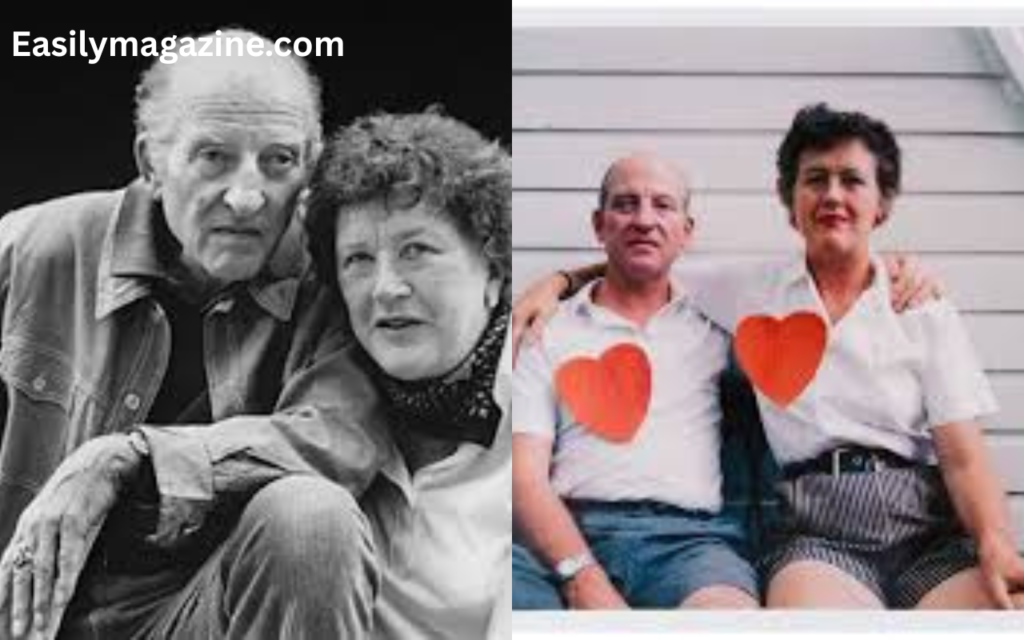
Paul met Julia McWilliams while both were serving in the OSS during World War II. At the time, neither could have predicted the extraordinary journey that lay ahead. Julia was intelligent, energetic, and adventurous, while Paul brought sophistication, artistic sensibility, and cultural experience. Despite their differences, they formed an immediate connection built on mutual respect and admiration.
Their relationship deepened as they worked together and shared experiences overseas. Paul appreciated Julia’s enthusiasm and determination, while Julia admired his intelligence and worldliness. The partnership that emerged was based on genuine friendship as much as romance. This strong foundation would help sustain their marriage for nearly five decades.
The couple married on September 1, 1946. Friends and family members often noted the deep affection and support they showed each other throughout their lives. Their marriage became one of the most celebrated examples of partnership, demonstrating how mutual encouragement can help both individuals achieve their fullest potential.
Diplomatic Career and Life Abroad
After the war, Paul joined the United States Foreign Service and began a distinguished diplomatic career. His assignments took him and Julia to various countries, including France, Norway, and Germany. These international postings provided invaluable opportunities to experience different cultures, traditions, and cuisines firsthand.
Paris proved especially significant. In 1948, Paul was assigned to France, and the couple relocated there. It was during this period that Julia discovered her passion for French cooking. Paul, who already possessed a sophisticated appreciation for food and wine, introduced her to culinary experiences that would transform her future. Their famous meal at La Couronne in Rouen became a life-changing moment for Julia.
Living abroad enriched both Paul and Julia in countless ways. They immersed themselves in local culture, developed lasting friendships, and gained perspectives that shaped their personal and professional lives. These experiences eventually influenced Julia’s cooking philosophy and helped her bring authentic French cuisine to American audiences.
Did Paul Cushing Child Have Children?
One of the most common questions surrounding Paul Child concerns whether he and Julia had children. The answer is no. Despite their long and loving marriage, the couple never had children together. This fact often surprises people because of the warmth and devotion that characterized their relationship.
Rather than raising a family, Paul and Julia devoted themselves to their careers, travels, friendships, and shared passions. They created a rich and fulfilling life centered on exploration, creativity, and companionship. Their home became a gathering place for friends, colleagues, and fellow enthusiasts who shared their love of food, culture, and conversation.
Although they did not have children, their influence reached millions of people around the world. Through Julia’s books, television programs, and educational efforts, as well as Paul’s support and creative contributions, they left a lasting impact that continues to inspire new generations.
Supporting Julia Child’s Extraordinary Success
Perhaps Paul’s most significant contribution to history was his unwavering support of Julia’s ambitions. He encouraged her to pursue culinary education, celebrated her achievements, and remained her most trusted advisor throughout her career. Julia herself often acknowledged that her success would not have been possible without Paul’s support.
Paul contributed in practical ways as well. He photographed dishes for cookbooks, assisted with editing projects, offered creative ideas, and helped manage many behind-the-scenes responsibilities. His artistic eye and attention to detail enhanced the quality of Julia’s work and contributed to the professional image she presented to the public.
One particularly famous example of his contribution was the design of Julia’s kitchen in Cambridge, Massachusetts. He customized the space to accommodate her height and cooking needs, creating a highly functional environment that later became an iconic symbol of American culinary history.
Legacy, Influence, and Lasting Inspiration
Paul Cushing Child passed away on May 12, 1994, at the age of ninety-two. By the time of his death, he had lived a life rich in achievement, creativity, service, and love. Although public attention often focused on Julia, those who knew their story understood the vital role Paul played in her success and happiness.
Today, historians, photographers, and biographers continue to explore Paul’s remarkable life. His photographs preserve valuable historical and cultural moments, while his diplomatic work reflects decades of public service. More importantly, his example demonstrates the power of supporting others while pursuing one’s own passions and interests.
Paul Child’s story reminds readers that influence is not always measured by fame. Sometimes the people who make the greatest difference are those who quietly encourage, inspire, and uplift others. As Paul Cushing Child’s legacy continues to reach new generations, his journey stands as a powerful example of creativity, dedication, partnership, and purpose. Through his life, we learn that true success often comes not only from personal accomplishments but also from the positive impact we have on those around us.