
Introduction
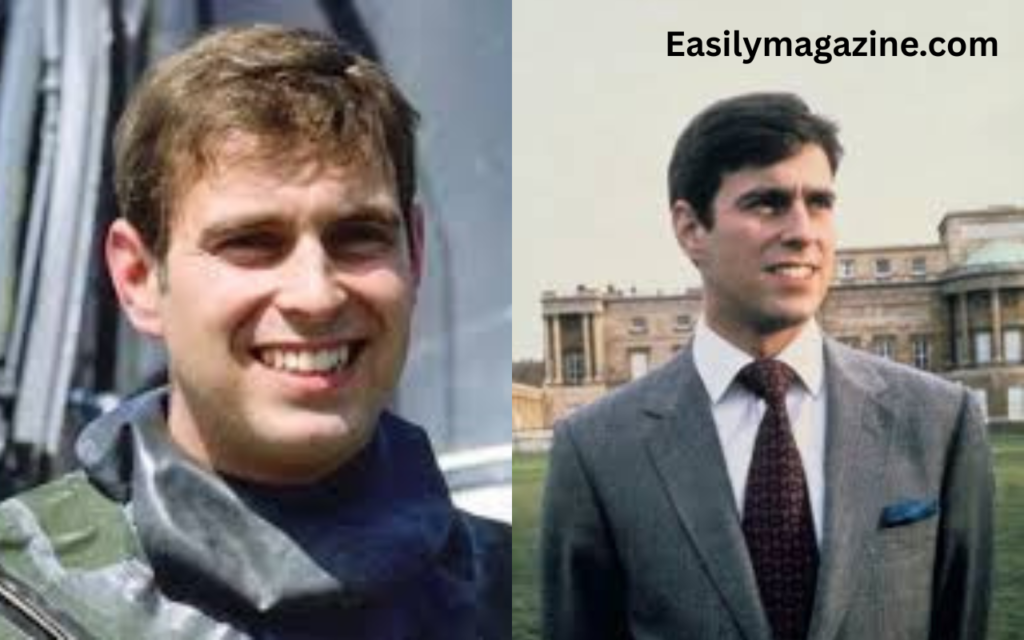
When people search for “Prince Andrew young,” they are often trying to understand the man before the headlines, before the controversies, and before the royal scandals that later defined much of his public image. They want to know about the young prince who grew up inside Buckingham Palace, the naval officer who served in war, and the royal family member once seen as one of the monarchy’s strongest public figures. His early life was filled with privilege, but also with duty, discipline, and expectations that came from being born into one of the world’s most famous families.
Table of Contents
TogglePrince Andrew, born Andrew Albert Christian Edward, entered the world on February 19, 1960, at Buckingham Palace. He was the third child and second son of Queen Elizabeth II and Prince Philip, Duke of Edinburgh. His birth was historically important because he became the first child born to a reigning British monarch in more than a century. For many years, he stood close to the British throne and was seen as one of the most visible younger royals of his generation.
In his youth, Prince Andrew was often described as confident, outgoing, and competitive. Unlike his older brother King Charles III, who carried the heavy responsibility of being heir to the throne, Andrew had a different royal role. He was expected to support the monarchy through service, military duty, and public representation. This path shaped his personality and gave him the freedom to build his own reputation, especially during his years in the Royal Navy.
Quick Facts About Prince Andrew
| Full Name | Andrew Albert Christian Edward Mountbatten-Windsor |
|---|---|
| Popular Name | Prince Andrew |
| Former Title | Duke of York |
| Date of Birth | February 19, 1960 |
| Age | 66 years old (as of 2026) |
| Birthplace | Buckingham Palace, London, England |
| Nationality | British |
| Profession | Former Senior Royal, Naval Officer |
| Father | Prince Philip |
| Mother | Queen Elizabeth II |
| Siblings | King Charles III, Princess Anne, Prince Edward |
| Former Spouse | Sarah Ferguson |
| Children | Princess Beatrice, Princess Eugenie |
| Education | Heatherdown School, Gordonstoun, Royal Naval College Dartmouth |
| Estimated Net Worth | $5–10 million+ (estimated) |
| No official account | |
| Twitter/X | No official account |
| Not publicly available |
Early Life and Royal Childhood
Prince Andrew’s childhood was unlike that of most children. Raised in royal residences such as Buckingham Palace, Windsor Castle, and Balmoral, he grew up surrounded by ceremony, tradition, and global attention. Every step of his early life was shaped by royal expectations, and even as a young child, he was aware that he represented the British monarchy in the public eye.
He was first educated by a governess at Buckingham Palace before being sent to Heatherdown Preparatory School in Ascot. Later, he attended Gordonstoun School in Scotland, the same school his father and older brother attended. Gordonstoun was known for its strict discipline, physical training, and leadership development. It was not a soft royal environment—it was designed to build resilience and independence.
Those who observed Andrew during his school years often described him as energetic and socially confident. He seemed more comfortable with public life than some of his royal siblings. His early environment taught him both privilege and pressure. Living inside the royal institution meant learning quickly that personal behavior could affect the image of the Crown itself.
Education and Naval Training
After completing his schooling, Prince Andrew followed a path strongly connected to royal tradition—military service. In 1979, he entered the Britannia Royal Naval College at Dartmouth, where he trained to become a Royal Navy officer. This was a respected route for younger royal sons, especially with Prince Philip’s own strong naval background serving as inspiration.
His naval training was serious and demanding. Andrew trained as a helicopter pilot and eventually specialized in flying Sea King helicopters. Unlike purely ceremonial military appointments sometimes given to royals, his service involved real operational responsibilities. This gave him credibility and helped the public see him as more than simply a prince with a title.
The Royal Navy years played a major role in shaping his identity. Discipline, leadership, and structured responsibility became central parts of his image. During this time, many members of the public viewed him as one of the strongest examples of royal duty and service, especially compared to the often symbolic nature of monarchy.
Military Career and the Falklands War
One of the most important chapters in Prince Andrew’s younger life came during the Falklands War in 1982. At just 22 years old, he served aboard HMS Invincible as a helicopter pilot when Britain fought to retake the Falkland Islands after Argentina’s invasion. This was not ceremonial involvement—he was actively serving in a war zone.
His duties included anti-submarine missions, search-and-rescue operations, transport support, and casualty evacuation. Some reports also noted that helicopters like his could be used as decoy targets for enemy missiles. His willingness to remain in active military service during wartime greatly improved his public image. Many people saw him as brave, patriotic, and committed to duty.
This period created what many still think of as the “young Prince Andrew” image: disciplined, confident, and respected. His military service separated him from the stereotype of a distant royal figure and gave him genuine public admiration. For older generations in Britain, this remains one of the strongest positive parts of his legacy.
Marriage to Sarah Ferguson and Family Life
In 1986, Prince Andrew married Sarah Ferguson, widely known as Fergie. Their wedding became one of the major royal events of the decade and attracted international media attention. The marriage was celebrated with excitement, and the Queen granted them the titles Duke and Duchess of York. Their relationship quickly became one of the most talked-about royal stories of the time.
The couple had two daughters: Princess Beatrice and Princess Eugenie. Both daughters remain important figures within the extended royal family and are known for maintaining close relationships with both parents. Fatherhood added a more personal and relatable side to Andrew’s public image and softened the formal military persona he had built earlier.
Although Andrew and Sarah separated in 1992 and officially divorced in 1996, they remained unusually close. Their continued friendship often surprised the public and became part of their long-running public narrative. Family has remained one of the most stable and positive aspects of Andrew’s personal life, particularly his visible bond with his daughters.
Royal Duties and Public Career
After his naval service, Prince Andrew moved more fully into public royal duties. He represented the monarchy at official events, state visits, and charity engagements. Later, he became the UK’s Special Representative for International Trade and Investment, a major role that involved promoting British business interests around the world.
This position gave him significant international exposure. He traveled widely, met global business leaders, and became known for commercial diplomacy. He also launched initiatives like Pitch@Palace, a program created to support entrepreneurs by connecting them with investors and mentors. At the time, many people saw him as one of the monarchy’s more modern and business-minded figures.
His reputation during these years was that of a hardworking royal who could connect with both traditional institutions and the corporate world. He was often viewed as practical and direct, someone comfortable in business settings rather than only ceremonial palace events. This phase strengthened his influence beyond traditional royal appearances.
Challenges and Public Controversy
No honest biography of Prince Andrew can avoid discussing the major controversies that changed his public image. His long association with Jeffrey Epstein created serious public backlash and eventually led to one of the biggest reputational crises in modern royal history. Allegations and legal issues surrounding that relationship deeply affected both his role in the monarchy and public trust.
In 2019, a televised interview meant to defend his position instead created even stronger criticism. Following this, he stepped back from royal duties. In 2022, Queen Elizabeth II removed his military affiliations and royal patronages. Later reports in 2025 showed further loss of titles and formal royal standing under King Charles III.
This dramatic fall from public respect to public scrutiny reshaped how history views him. A prince once praised for military courage and diplomatic work became more associated with controversy and institutional distancing. His story became one of the clearest examples of how royal privilege does not protect reputation forever.
Net Worth and Financial Overview
Prince Andrew’s estimated net worth has often been placed between several million dollars, though exact figures remain difficult to confirm because royal finances are often private and complex. His wealth historically came from a mix of military salary, royal allowances, inherited support, and property arrangements connected to royal status.
Unlike celebrities or entrepreneurs who build wealth through business ownership, Andrew’s financial life was closely tied to royal privilege and institutional support. Residences, security arrangements, and public roles contributed significantly to his standard of living over the years. Public discussion about his finances increased sharply after he stepped back from royal duties.
Questions about funding, settlements, and property arrangements became major media topics. While estimates vary widely, most financial analysis agrees that his wealth reflects a lifetime connected to royal infrastructure rather than private business success. This has made public interest in his finances especially intense.
Social Media Presence and Public Image
Unlike many modern public figures, Prince Andrew does not maintain active personal social media accounts. There is no official Instagram, X (formerly Twitter), or LinkedIn account managed directly by him. Most public communication involving him historically came through official royal family channels rather than personal digital platforms.
This reflects a more traditional royal communication style. Older members of the royal family often relied on formal institutional messaging instead of direct engagement with the public online. In contrast, younger royals have used social media to create stronger personal connections with audiences and shape their own public narratives.
Because of this absence, Prince Andrew’s image is largely controlled by press coverage rather than self-presentation. News headlines, royal announcements, and media investigations have shaped how the public sees him far more than any personal voice online. This has made reputation management especially difficult during periods of controversy.
Recent Life and Future Outlook
In recent years, Prince Andrew has remained mostly outside official royal life. Public attention has focused on his reduced institutional role, legal developments, and his place within the royal family rather than any new public work. His formal responsibilities have become extremely limited compared to his earlier decades of service.
Even so, he remains a significant figure in royal history because of both his achievements and his controversies. His life reflects the pressures of modern monarchy—how public service, personal decisions, and media accountability can completely transform a legacy. Few royal biographies show such a dramatic rise and fall.
The future of his public role appears uncertain and likely private rather than institutional. Historians and royal observers will continue to study his life as an example of how reputation, responsibility, and royal identity intersect in the modern age.
Conclusion
The story of Prince Andrew is far more complex than simple headlines suggest. His younger years were marked by duty, military service, and strong public approval. He was once seen as one of the monarchy’s most dependable younger royals—a naval officer who served in war, a father devoted to family, and a royal representative with global influence.
At the same time, later controversies transformed how the world viewed him. His biography became a lesson in how quickly public trust can be lost, even for someone born into the highest levels of privilege. Royal titles may bring power, but they do not protect a person from accountability or consequences.
As Prince Andrew’s life continues to be examined, his journey stands as a reminder that legacy is built not only through position, but through choices. His story encourages reflection on discipline, responsibility, and how personal actions shape public memory. Whether remembered for service or scandal, his place in royal history remains impossible to ignore.