
Introduction
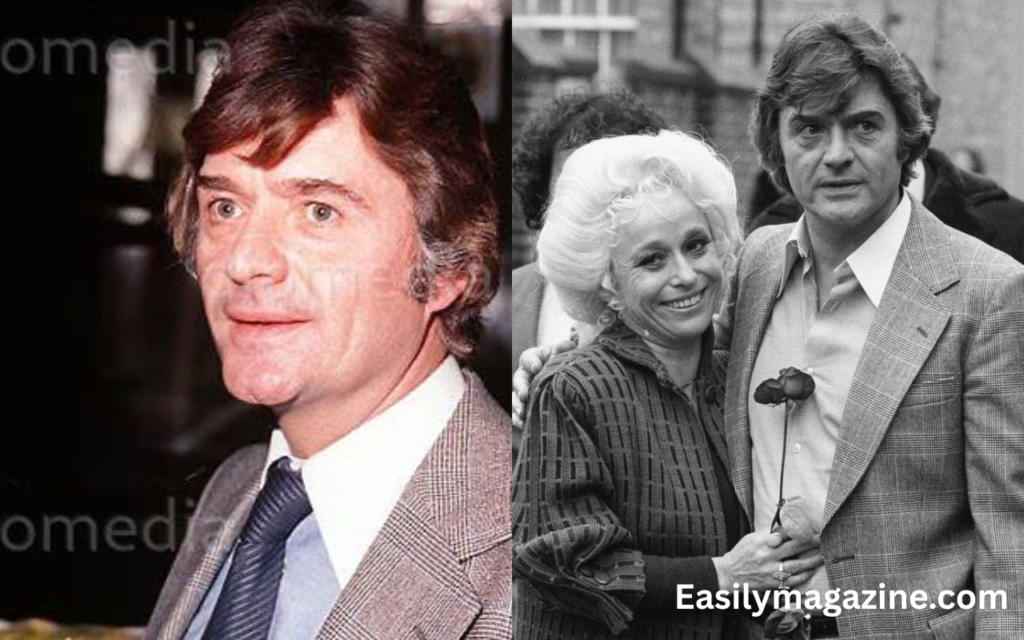
Ronnie Knight was one of the most talked-about figures connected to Britain’s underworld culture during the second half of the twentieth century. Known for his sharp Cockney personality, stylish appearance, nightclub empire, and criminal reputation, Knight lived a life that constantly blurred the line between celebrity glamour and gangland notoriety. His name became widely recognized not only because of his controversial lifestyle but also due to his marriage to legendary British actress Barbara Windsor. Together, they formed one of the most fascinating and heavily discussed celebrity couples of their era.
Table of Contents
ToggleUnlike many criminals who preferred secrecy, Ronnie Knight often seemed comfortable with public attention. He enjoyed the nightlife scene, surrounded himself with entertainers and powerful personalities, and became deeply connected to Soho’s famous club culture. Throughout the years, journalists, filmmakers, and crime writers remained fascinated by his life because it captured a unique moment in British history when organized crime, celebrity culture, and nightlife all overlapped in dramatic ways.
Even decades later, Ronnie Knight’s story continues attracting readers interested in East End gangsters, London nightlife history, and Britain’s criminal underworld. From his difficult childhood in wartime London to his years living on Spain’s “Costa del Crime,” Ronnie’s journey reflected ambition, danger, loyalty, revenge, fame, and survival. His life was never simple, and that complexity is exactly why people still remember him today.
Ronnie Knight Quick Facts
| Full Name | Ronald Knight |
|---|---|
| Known As | Ronnie Knight |
| Birth Date | January 20, 1934 |
| Birthplace | Hoxton, London, England |
| Nationality | British |
| Profession | Nightclub Owner, Businessman, Author |
| Famous For | Soho nightlife and marriage to Barbara Windsor |
| Parents | James and Nellie Knight |
| Siblings | John, James, David, and Patsy Knight |
| Marital Status | Married three times |
| Famous Ex-Wife | Barbara Windsor |
| Children | Lorraine Knight and Garry Knight |
| Estimated Net Worth | Around $1 million–$3 million |
| Criminal Conviction | Handling stolen money |
| Prison Sentence | Seven years |
| Residence in Later Years | Cambridge, England |
| Death Date | June 12, 2023 |
| Age at Death | 89 years old |
| Social Media | No official social media accounts |
Growing Up in the Tough Streets of East London
Ronnie Knight was born in Hoxton, East London, during a period when working-class families faced enormous struggles. The East End in the 1930s and 1940s was known for overcrowded housing, poverty, violence, and harsh living conditions. Families survived through resilience, loyalty, and street intelligence. Growing up in this environment shaped Ronnie’s worldview from an early age and gave him the hard-edged confidence that later defined his public personality.
World War II had a massive influence on Ronnie’s childhood. East London suffered heavily during German bombing raids, and many families lived with constant fear and uncertainty. Young boys growing up during this time learned quickly how to survive in dangerous surroundings. Ronnie later became known for his fearless attitude and ability to handle pressure, qualities many believed were developed during these difficult wartime experiences.
Ronnie came from a large family that already had connections to street culture and criminal activity. His brothers John and James became heavily involved in organized crime, while Ronnie himself admitted to minor criminal behavior during his younger years. However, he consistently denied being a major gangster, preferring instead to describe himself as a businessman and “loveable rascal.” Even so, his early environment naturally exposed him to London’s growing underworld networks and criminal personalities.
Family Background and Personal Influences
Ronnie’s parents, James and Nellie Knight, raised their children in a close but difficult environment where survival often mattered more than comfort. Families in the East End depended heavily on loyalty and protection, especially during the post-war years when economic struggles remained severe. Ronnie’s upbringing taught him the importance of family connections, a value that remained central throughout his life even when controversy surrounded him.
His siblings played important roles in shaping his future. Ronnie’s brothers became involved in increasingly serious criminal activities, which naturally brought police attention and gangland associations to the Knight family name. Ronnie often claimed he remained more focused on business than organized crime, but his close relationships with his brothers made it impossible for him to avoid the world they operated within.
Another major influence on Ronnie’s life was East London’s street culture itself. During the 1950s and 1960s, young men admired local tough figures who displayed money, power, and influence. Ronnie learned that personality and reputation could open doors in nightlife and entertainment circles. He developed strong social skills, charm, and confidence that later helped him build relationships with celebrities, businessmen, and underworld figures alike.
Key Influences in Ronnie Knight’s Early Life:
- Wartime hardship in East London
- Strong family loyalty and street culture
- Exposure to gangland personalities from a young age
Entering Soho’s Exciting Nightclub World
Ronnie Knight eventually moved into London’s booming Soho nightlife industry, which became the center of entertainment, music, gambling, and underground business activity during the 1960s. Soho attracted actors, singers, wealthy businessmen, tourists, gangsters, and socialites, creating an environment filled with glamour and danger at the same time. Ronnie quickly realized the financial opportunities within this world and began operating successful clubs.
Among his most famous venues were the Artistes and Repertoire Club, commonly called the A&R Club, and Tin Pan Alley in Soho. These clubs became popular gathering places for entertainers and underworld figures alike. Ronnie’s venues were known for their lively atmosphere, celebrity guests, and exclusive feel. Unlike ordinary pubs, his clubs represented status and excitement, which made them highly attractive to London’s nightlife crowd.
Running clubs in Soho during this period required much more than business knowledge. Club owners often faced pressure from rival gangs, police investigations, protection rackets, and illegal gambling operations. Ronnie’s ability to survive in that world earned him both respect and suspicion. His reputation grew rapidly, and newspapers increasingly linked his name with gangland stories and criminal rumors circulating throughout London’s nightlife scene.
Connections to the Kray Twins and London Gangsters
One of the biggest reasons Ronnie Knight became associated with organized crime was his friendship with the notorious Kray twins, Ronnie and Reggie Kray. The Krays dominated much of East London’s criminal underworld during the 1950s and 1960s and became legendary figures in British crime history. Ronnie openly admitted knowing the twins socially, although he denied participating directly in their criminal operations.
Because Ronnie operated clubs frequented by celebrities and gangsters, his social circles naturally overlapped with dangerous individuals. Soho nightlife during that era often served as a meeting point where criminals mixed openly with actors, musicians, and businessmen. Ronnie’s clubs attracted people from every level of London society, which increased both his popularity and his notoriety.
Journalists often portrayed Ronnie as part of London’s glamorous underworld culture. While he denied being a violent crime boss, his friendships, business relationships, and repeated police investigations made it difficult for the public to separate him completely from gangland activities. Over time, his image became closely connected to Britain’s fascination with East End gangsters and old-school criminal culture.
Marriage to Barbara Windsor and Celebrity Fame
Ronnie Knight became nationally famous after marrying actress Barbara Windsor in 1964. Barbara was already becoming a major star through the famous “Carry On” comedy films and her stage work. Their relationship instantly attracted media attention because it combined entertainment glamour with London’s underworld reputation. Many people were fascinated by the contrast between Barbara’s bubbly public image and Ronnie’s controversial nightlife connections.
At first, their marriage appeared exciting and passionate. Ronnie’s charm, confidence, and stylish personality impressed Barbara, and together they became one of Britain’s most recognizable celebrity couples. Newspapers frequently photographed them attending parties, social events, and entertainment gatherings alongside famous actors and musicians. Their glamorous lifestyle helped build Ronnie’s public profile far beyond Soho nightclub circles.
However, their marriage gradually became strained by Ronnie’s legal troubles, nightlife lifestyle, and rumored criminal associations. Barbara later admitted that living within Ronnie’s world created emotional pressure and instability. Despite remaining together for more than twenty years, the couple eventually divorced in 1985. Even after the separation, their relationship remained one of the most famous celebrity marriages connected to Britain’s gangland culture.
Important Relationship Facts:
- Married on March 2, 1964
- Became major tabloid celebrities in Britain
- Divorced after over two decades together
The Death of David Knight and Revenge Allegations
One of the most tragic moments in Ronnie Knight’s life came in 1970 when his younger brother David Knight was stabbed to death during a violent confrontation involving Alfredo “Tony Z” Zomparelli. David’s death deeply affected Ronnie emotionally and reportedly intensified tensions within London’s underworld circles. According to various reports, Ronnie blamed Zomparelli for his brother’s killing and became consumed by anger and revenge.
Several years later, Zomparelli himself was murdered in Soho after being shot in the back. Police investigations eventually connected Ronnie Knight to the case after hitman George Bradshaw claimed Ronnie arranged the killing as revenge for David’s death. The accusations created massive media attention because they combined gangland revenge, celebrity connections, and organized crime intrigue.
Ronnie stood trial at the Old Bailey in 1980 but was ultimately acquitted of murder charges. Interestingly, years later Ronnie reportedly admitted in his memoir that he had hired a hitman for revenge, though double jeopardy laws prevented retrial after acquittal. The controversy surrounding the case permanently strengthened Ronnie’s public image as a feared and influential underworld personality.
Escape to Spain and Life on the “Costa del Crime”
During the 1980s, Ronnie Knight moved to Spain’s Costa del Sol region, which had become notorious for attracting British criminals avoiding prosecution. The area earned the nickname “Costa del Crime” because extradition laws between Spain and Britain were weaker at the time, allowing many fugitives to live there comfortably for years. Ronnie became one of the most recognizable British figures living in the region.
While living in Fuengirola, Ronnie operated businesses including bars, restaurants, and clubs catering mainly to British expatriates. One of his best-known establishments was an Indian restaurant called Mumtaz, along with a nightclub named RKnights. These businesses allowed Ronnie to maintain both income and social influence while remaining surrounded by nightlife culture and familiar underworld personalities.
Spanish tabloids and British newspapers continued following Ronnie’s activities during these years. He openly discussed his life in interviews and appeared comfortable with his controversial reputation. However, financial problems and growing legal pressure eventually forced him back to Britain, where he soon faced serious criminal charges related to one of the country’s largest robberies.
Security Express Robbery and Prison Sentence
Ronnie Knight’s most significant criminal conviction came from his involvement with money connected to the famous Security Express robbery of 1983. The robbery involved approximately £6 million stolen from a Security Express depot in East London and became one of Britain’s biggest armed robberies at the time. Ronnie’s brothers were heavily implicated in organizing the crime, and eventually authorities also targeted Ronnie himself.
Although Ronnie insisted he did not directly participate in the robbery, prosecutors accused him of handling stolen cash from the operation. After returning to Britain in 1994, he pleaded guilty to handling more than £314,000 connected to the robbery. In January 1995, he received a seven-year prison sentence. The judge suggested Ronnie’s role was likely far more significant than he publicly admitted.
The conviction marked a major turning point in Ronnie’s life. His glamorous nightclub image became overshadowed by prison, legal problems, and financial struggles. After serving around three years, he was released on parole in 1998. Even so, public fascination with Ronnie Knight did not disappear. Instead, his conviction strengthened his reputation as one of Britain’s most notorious underworld-connected personalities.
Major Criminal Cases:
- 1961 conviction for handling stolen goods
- Acquitted in the Zomparelli murder trial
- Jailed for handling Security Express robbery money
Writing Books and Becoming a Media Personality
After prison, Ronnie Knight remained a well-known public figure because audiences were still fascinated by London’s old gangster culture. He published several memoirs and crime-related books, including Black Knight, Memoirs and Confessions, Signed Confessions, and Blood and Revenge. These books offered dramatic stories about Soho nightlife, gangland feuds, celebrity friendships, and revenge plots.
Television producers frequently invited Ronnie to appear in documentaries and interviews discussing organized crime history and East End culture. His storytelling ability, humor, and confidence made him entertaining to audiences even when discussing dark topics. Ronnie seemed to enjoy public attention and understood that his reputation itself had become valuable entertainment.
In 2002, he reportedly launched a website called “Crooks Reunited,” designed to connect former criminals and prison officers. Although unusual, the project reflected Ronnie’s continued fascination with underworld culture and his desire to remain part of public conversation. Even during old age, he continued giving interviews and sharing stories from his extraordinary life.
Personal Life, Personality, and Later Years
People who knew Ronnie Knight often described him as charismatic, sociable, funny, and highly intelligent. He loved entertaining others with stories and enjoyed the glamorous side of nightlife culture. Despite his dangerous reputation, many friends claimed Ronnie could also be generous and fiercely loyal to people he cared about.
At the same time, his life contained deep emotional struggles. Violence, betrayal, prison experiences, and the loss of family members affected him greatly. The death of his brother David remained one of the most painful memories of his life and influenced many of the decisions he later made. Ronnie often projected confidence publicly, but those close to him sometimes described a more vulnerable side beneath the tough exterior.
In his final years, Ronnie lived quietly in Cambridge, England. He reportedly suffered from Parkinson’s disease and declining health before dying from pneumonia on June 12, 2023, at the age of 89. Even after his death, newspapers and documentaries continued discussing his life because he represented one of the last surviving figures from London’s classic gangster era.
Ronnie Knight’s Net Worth and Sources of Income
Estimating Ronnie Knight’s true wealth has always been difficult because much of his business activity involved nightlife venues and cash-based operations. However, many reports estimated his net worth during later years to be between $1 million and $3 million.
His major income sources included:
- Soho nightclub ownership
- Pool table businesses
- Peep-show clubs
- Bars and restaurants in Spain
- Book sales and memoirs
- Television interviews and documentaries
Although Ronnie earned significant money during his peak years, legal battles, prison time, and financial difficulties likely reduced much of his fortune over time. Unlike modern celebrities who rely heavily on digital branding and sponsorships, Ronnie’s wealth came mainly through nightlife entrepreneurship and traditional entertainment businesses.
Ronnie Knight’s Lasting Legacy
Ronnie Knight remains an unforgettable figure in British popular culture because his life captured the dangerous glamour of post-war London nightlife and underworld society. He represented an era when celebrities, gangsters, club owners, and businessmen often shared the same social spaces. His story continues fascinating readers because it reflects ambition, loyalty, crime, fame, and survival all at once.
Writers, journalists, and filmmakers frequently reference Ronnie when discussing Soho history and East End criminal culture. His relationship with Barbara Windsor also helped preserve public interest in his life for decades. Whether viewed as a charming rogue or a serious criminal figure, Ronnie undeniably became part of Britain’s cultural memory.
As future generations continue exploring stories about London’s gangland history, Ronnie Knight’s name will likely remain among the most recognized personalities from that world. His life reminds people how environments, choices, loyalty, and ambition can combine to create a legacy both captivating and controversial.